
The psychology behind why we gamble Understanding the thrill and risk
The allure of risk-taking
Gambling is often associated with thrill, excitement, and an adrenaline rush that keeps players coming back for more. The psychology behind this allure can be traced back to our evolutionary instincts; humans are naturally drawn to challenges and risks. When individuals gamble, they engage in a form of risk-taking that can provoke intense emotions, from euphoria upon winning to despair after a loss. This complex emotional landscape makes gambling an attractive pursuit, as it often mimics the unpredictability of life itself. For a comprehensive look at this phenomenon, visit https://grandmondialonlinecasino.review.
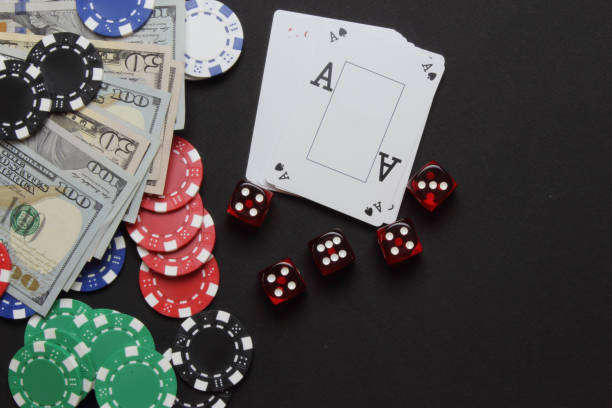
The brain’s reward system plays a significant role in this attraction. When a person wins, their brain releases dopamine, a neurotransmitter linked to pleasure. This chemical response reinforces the behavior, making players want to replicate the experience. Even the anticipation of a possible win can trigger this dopamine release, which explains why some individuals are willing to gamble despite knowing the odds are against them. The thrill of the unknown adds to the excitement, drawing people in like moths to a flame.
Additionally, societal norms and peer influences contribute to the appeal of gambling. In many cultures, risk-taking is glorified, and the idea of hitting it big can seem like an enticing shortcut to wealth. This societal validation can be particularly enticing for individuals who may feel a lack of control in their lives, providing them with an opportunity to experience power and agency through their betting decisions. This complex interplay of psychological and social factors creates a potent motivation to gamble.
The illusion of control
Many gamblers operate under the misconception that they can influence outcomes through their skills or strategies. This illusion of control is a psychological phenomenon that can significantly affect how people perceive their gambling experiences. For instance, skilled players in poker may believe that their expertise will consistently lead to winning outcomes, while casual gamblers might attribute their losses to bad luck rather than acknowledging the role of randomness. This cognitive bias not only reinforces the gambling habit but also contributes to a person’s continued involvement in risky behavior.
Research shows that people often underestimate the element of chance in games of luck while overestimating their ability to impact results. This cognitive distortion can lead to a cycle of increased gambling, as players seek to prove their abilities. As they chase wins, they often ignore the mounting evidence that their strategies may not yield the desired results. This ongoing behavior can create a dangerous dependency on gambling as a means of coping with stress or emotional struggles.
The belief that one can control gambling outcomes can also manifest through superstitions and rituals. Gamblers might wear lucky charms, avoid certain numbers, or follow specific routines to influence their chances of winning. While these behaviors may provide a temporary sense of empowerment, they ultimately do not change the underlying odds of the games, perpetuating the cycle of belief and dependence on gambling as a source of gratification.
The impact of near misses
Near misses—when a player almost wins but ultimately does not—can be incredibly impactful in the gambling experience. These moments can stimulate the brain’s reward centers, similar to actual wins. For instance, in a slot machine, a player may see two matching symbols followed by a third symbol that disrupts a potential win. This outcome can evoke feelings of hope and excitement, often misleading the player into believing that a win is just around the corner. Consequently, near misses can keep individuals engaged in gambling for longer than they initially intended.
This psychological response to near misses can perpetuate the gambling cycle, making it difficult for players to quit. Instead of perceiving a near miss as a loss, many gamblers interpret it as a sign that they are “due” for a win. This cognitive distortion can lead to more significant financial losses, as players continue to chase the elusive win that remains just out of reach. Understanding this phenomenon is crucial in recognizing how gambling can quickly turn from a recreational activity into a harmful addiction.
Moreover, the phenomenon of near misses affects different individuals in varying ways. Some may be able to walk away, while others find themselves caught in a web of anticipation and hope. This disparity highlights the importance of understanding one’s emotional triggers and responses when it comes to gambling, as it can lead to vastly different outcomes for individuals engaged in the same activities.
The role of social influences
Gambling is often framed as a social activity, with friends and family playing a crucial role in shaping one’s attitudes towards it. Social influences can either encourage or deter gambling behavior, depending on an individual’s environment. If friends or family members view gambling positively, an individual may be more inclined to engage in it, believing it to be an acceptable pastime. Conversely, those from backgrounds that discourage gambling may develop a different perception, potentially avoiding it altogether.
Group dynamics can significantly amplify the emotional highs and lows associated with gambling. Shared experiences, such as cheering for a sports team or celebrating a win at a casino, can create a sense of belonging and community. This social reinforcement can make gambling feel more enjoyable and reduce the perceived risks involved, further fueling the motivation to participate. However, this also means that the normalization of gambling within social circles can lead to increased participation, sometimes without proper consideration of the potential downsides.
Moreover, social media has transformed how individuals engage with gambling. Online platforms and gaming communities have made it easier for people to share their experiences, successes, and losses, often glamorizing gambling lifestyles. These portrayals can create unrealistic expectations, causing individuals to seek the thrill of gambling in pursuit of social validation. This modern landscape complicates the relationship between gambling and social influences, making it essential to examine how peer interactions and online narratives can contribute to gambling behavior.

Understanding responsible gambling
As gambling continues to evolve in modern society, understanding the psychological underpinnings is essential for promoting responsible gambling practices. Awareness of the psychological triggers that lead individuals to gamble can empower them to make informed decisions. Educational initiatives focused on debunking myths related to gambling, such as the misconception that one can consistently win with skill or strategies, can help curb risky behaviors and promote healthier attitudes toward gambling.
Establishing clear guidelines for responsible gambling is vital in mitigating the risks associated with gaming activities. Encouraging individuals to set limits on time and money spent gambling can create healthier boundaries. Incorporating self-awareness into the gambling experience allows players to acknowledge their emotional states and motivations, promoting informed choices and reducing the likelihood of developing harmful habits.
Finally, support systems for individuals struggling with gambling addiction are crucial. Mental health resources and counseling services can assist individuals in understanding the psychological factors that drive their gambling behaviors. This support can help them work through their emotions, develop coping strategies, and ultimately make healthier choices moving forward. Recognizing gambling as a multifaceted psychological issue opens the door for a more comprehensive approach to promoting responsible gaming in society.